I don’t get to Saint Petersburg often. The last time was in the summer of 2008, for a concert by the vocal-instrumental ensemble Metallica. This time I went to the conference “East-West. Design and Diagnostics — 2010” to give a talk on the synthesis of interfaces and transactors, and also to listen to other distinguished scientists.
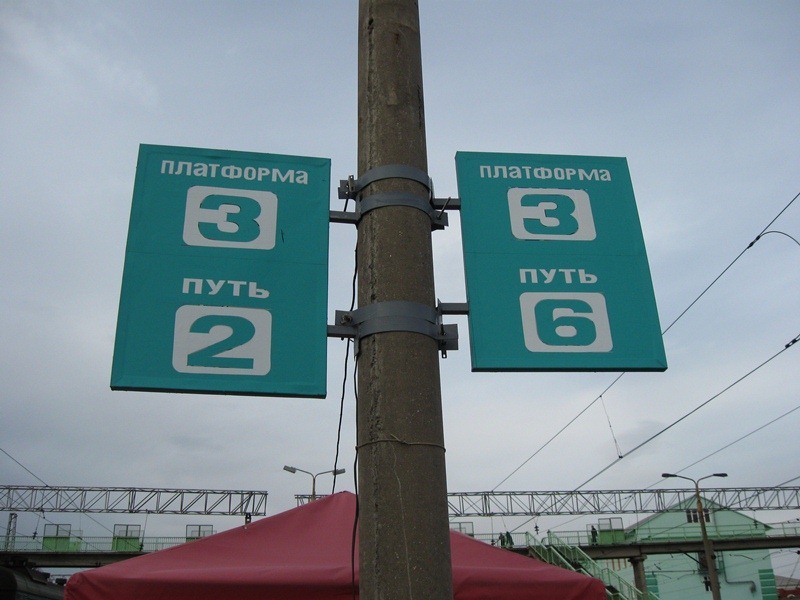
I traveled by proletarian transport — train. There was no chance to get bored: next to me was a five-year-old Black boy, entertaining us with all kinds of stories. It was hot in the carriage. I got out to breathe at various stations. The station in Kursk surprised me with its signs.
I stayed at the “Benois Hotel”, a small, quiet, cozy hotel in the central district of Saint Petersburg and
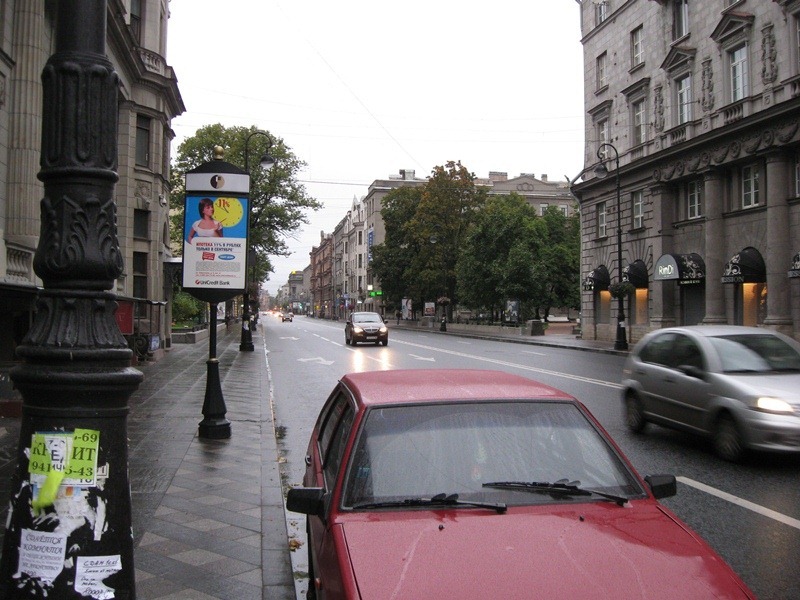
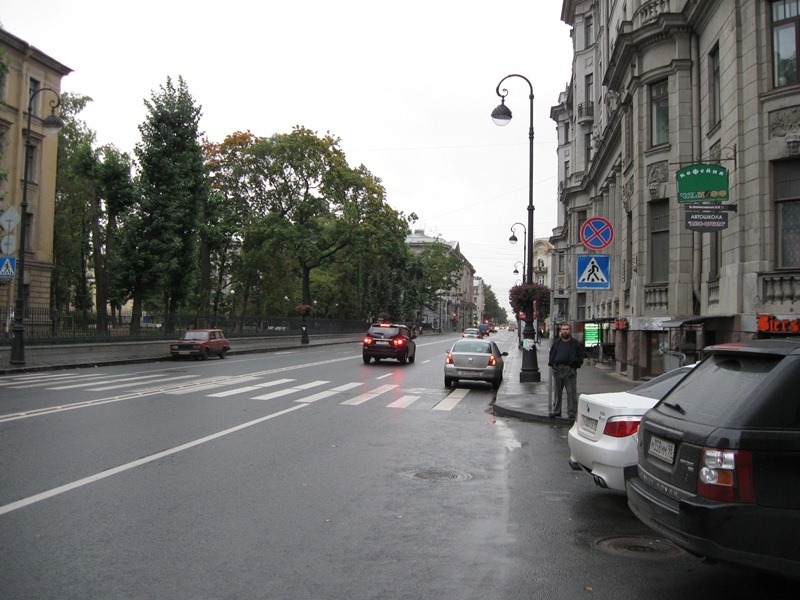
What’s good about Saint Petersburg is that you can confidently turn into any side street and it will still be clean, beautiful, and interesting. Lev Tolstoy Street, Andrei Mironov Theater:
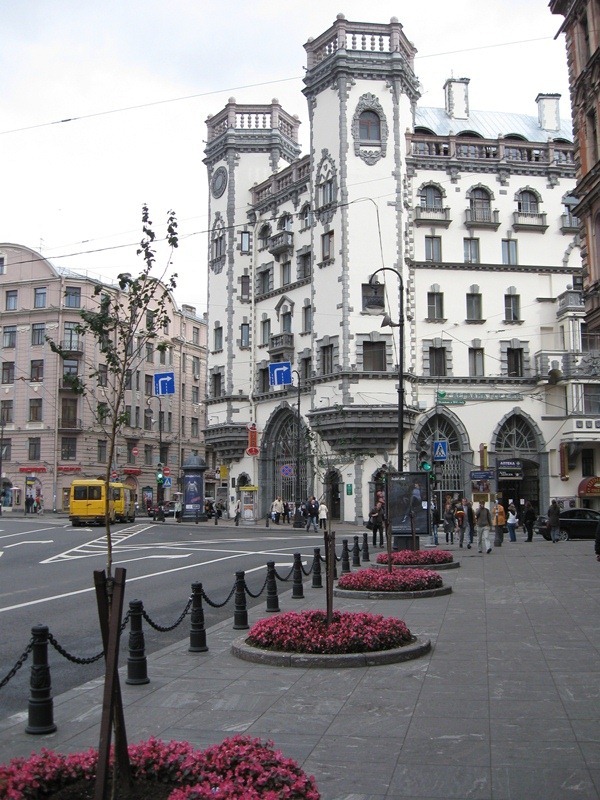
Television tower. Not a bad landmark so you don’t get lost. At night the tower looks damn beautiful — it flickers with bright little blue and white lights.
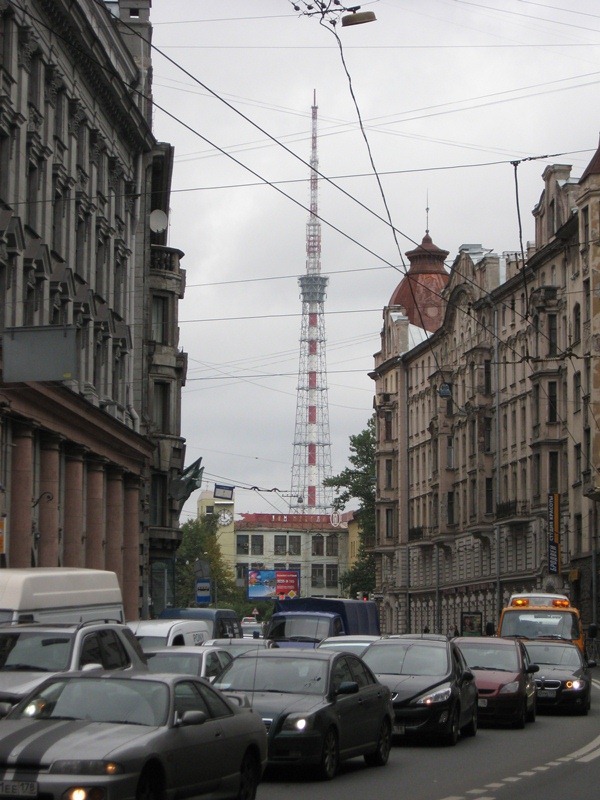
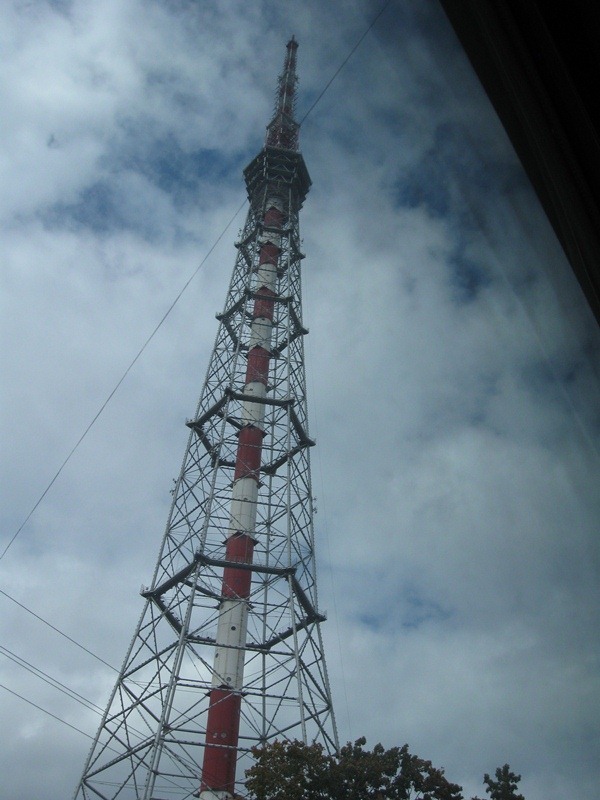
The tower closer up.
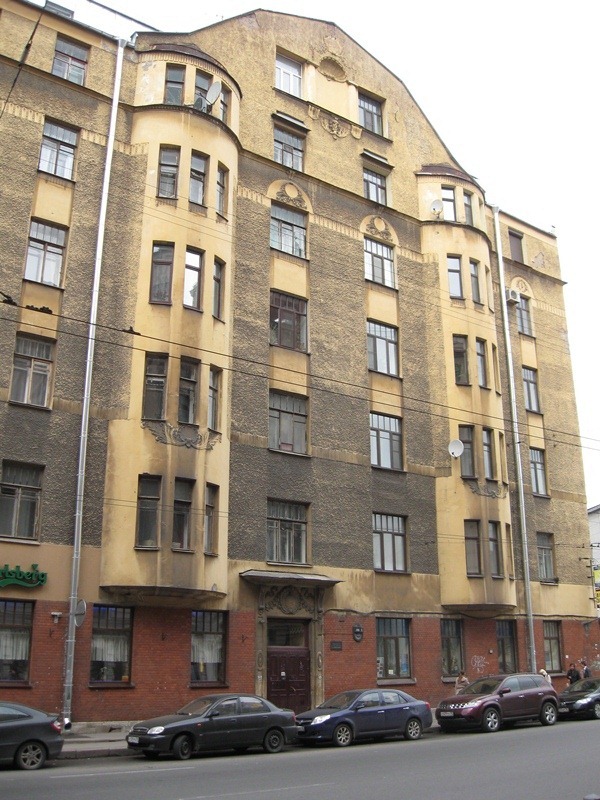
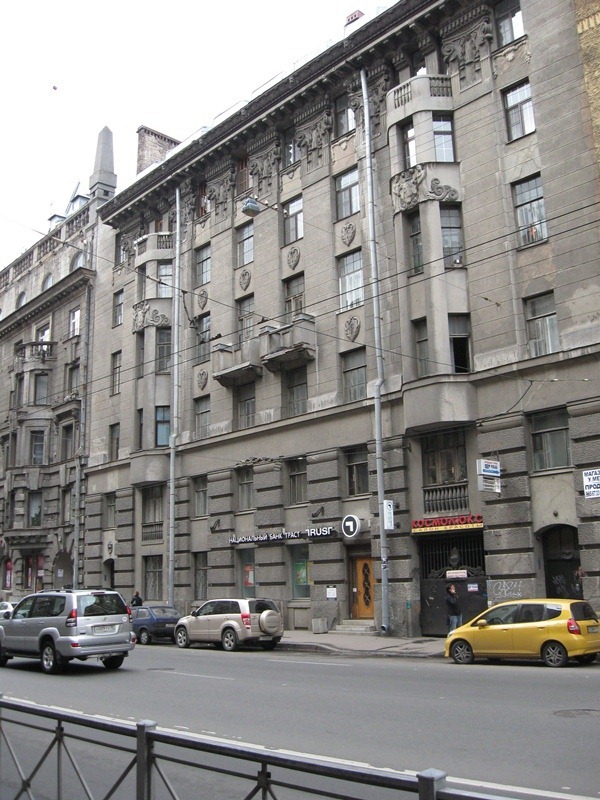
Sometimes it felt like I hadn’t left Kharkiv at all. This is probably because both cities were built up at about the same time.
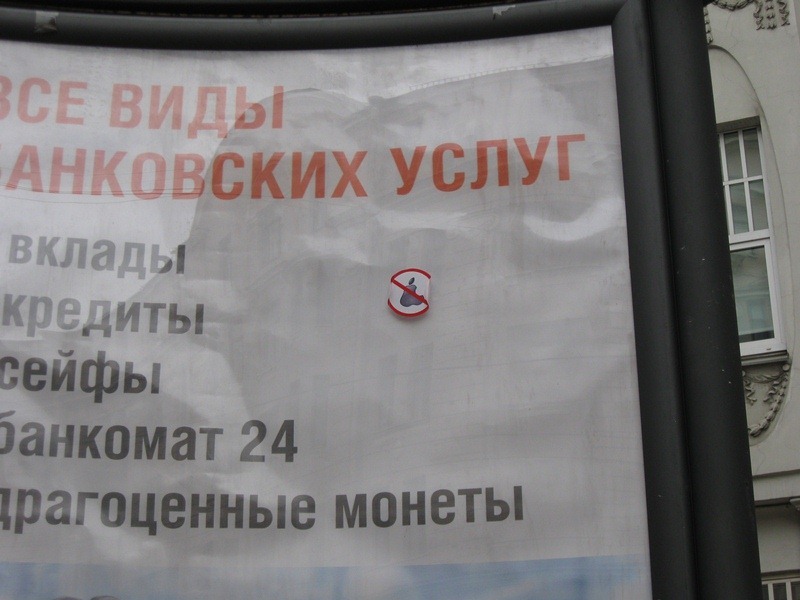
I saw some incomprehensible sign.
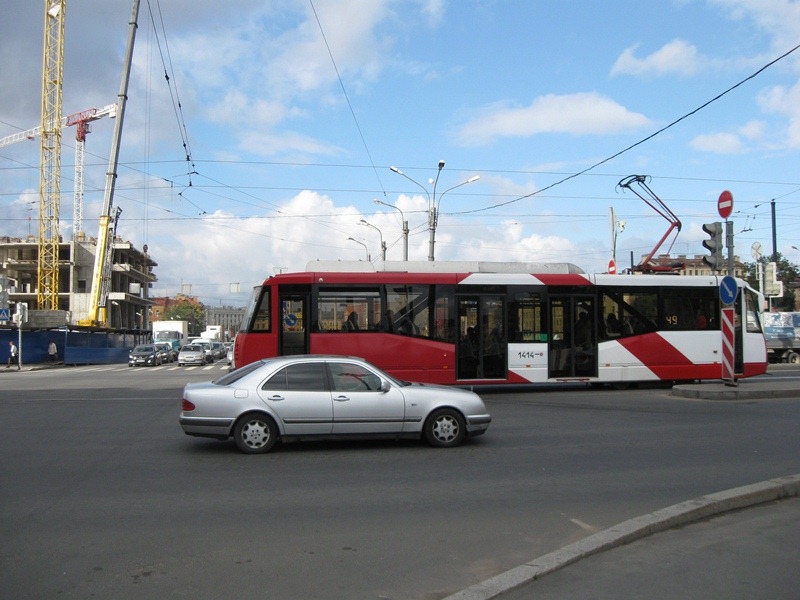
A Petersburg tram on Ligovsky Prospekt. Transport is organized very interestingly here. A separate lane is reserved for trams, buses, and trolleybuses. Thus, when the avenue is stuck in traffic, the working class has the opportunity to keep moving along at an unhurried pace.
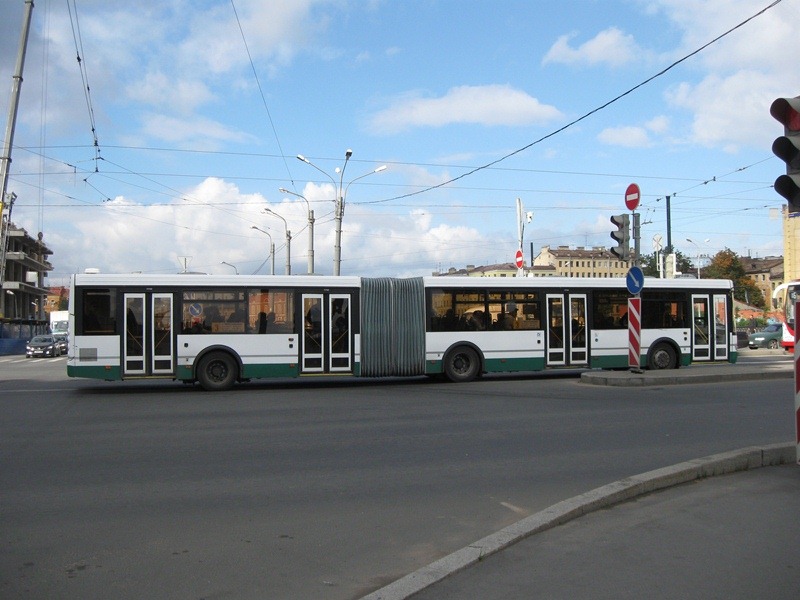
A Petersburg articulated bus in the same place.
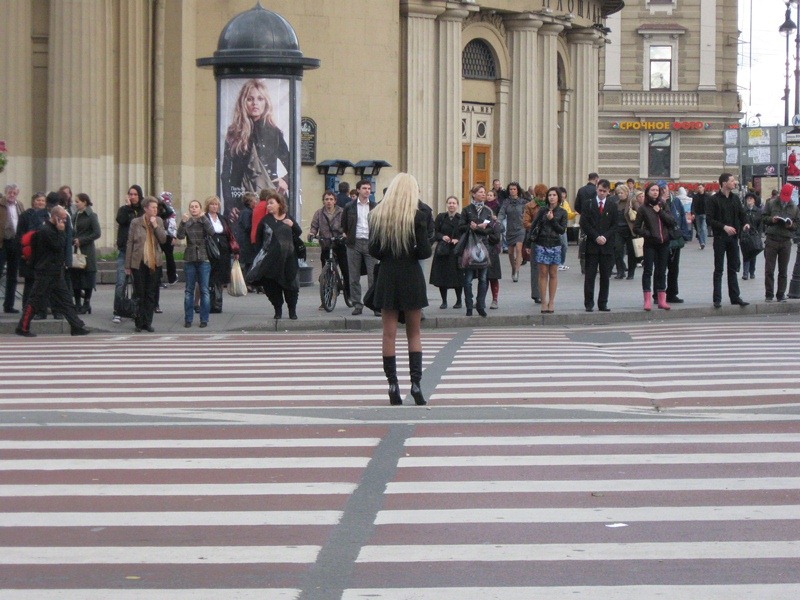
The traffic light caught the girl off guard.
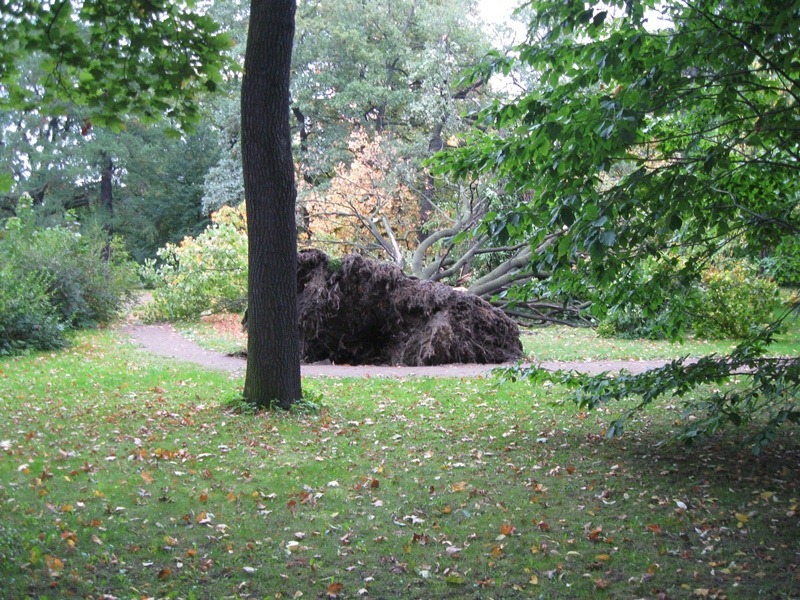
Passing by the botanical garden, I saw trees dying.
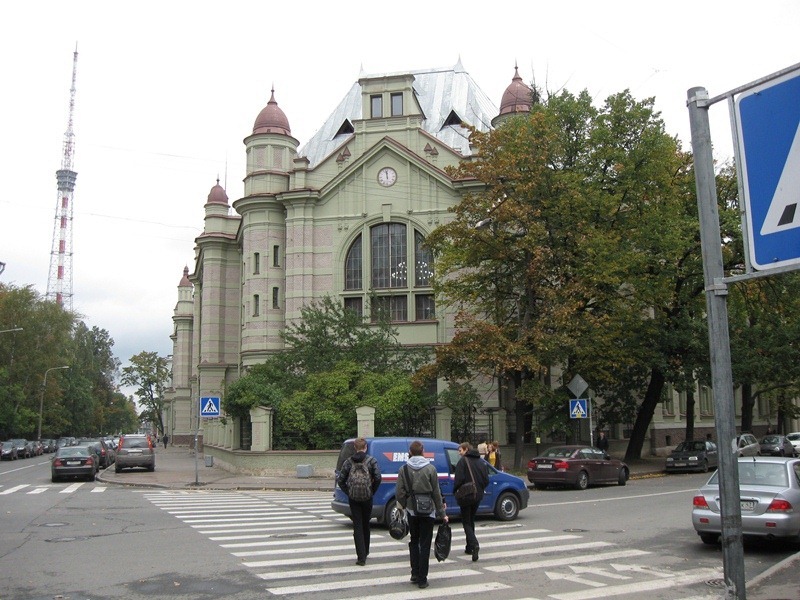
The first building of the Leningrad Electrotechnical Institute — the conference venue. I didn’t manage to get inside, since all the sessions were held in buildings that had apparently been built during the Soviet Union. Sometimes the layout of the rooms was baffling.
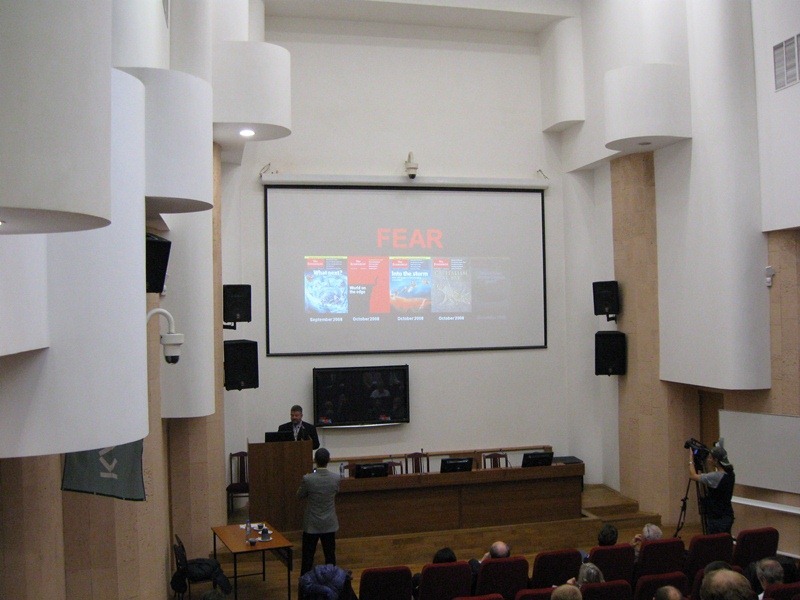
The conference itself is devoted to issues of design, testing, diagnostics, and operation of software-hardware computer systems. In format, the conference is divided into three parts. The first is invited talks, which usually last 30 minutes. The speakers are invited people who cover key issues. For example, in the photo below, Rich Goldman from Synopsys reports on the impact of the economic crisis on the microelectronics design industry. The second part is the regular talks
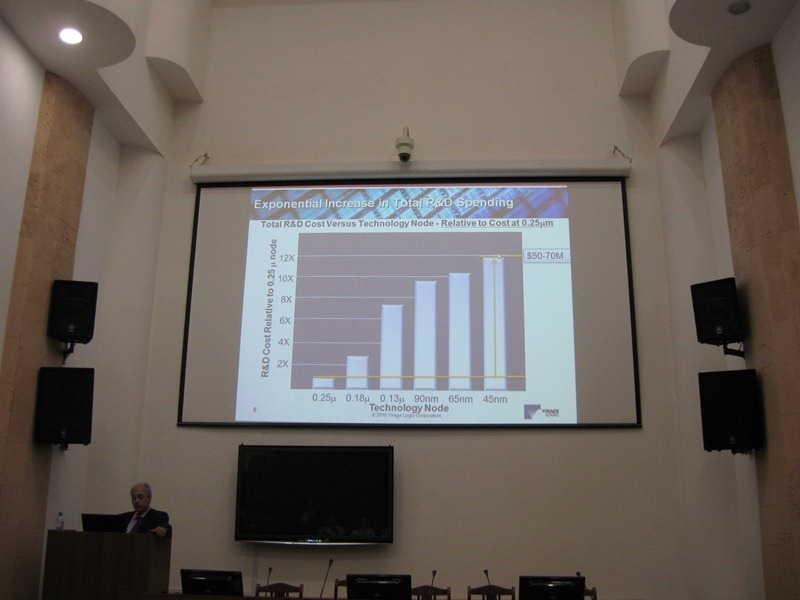
Yervant Zorian reports on the economics of integrated circuit development, on ecosystems, and on reducing development costs. The graph shows that the higher the degree of integration, the higher the development cost.
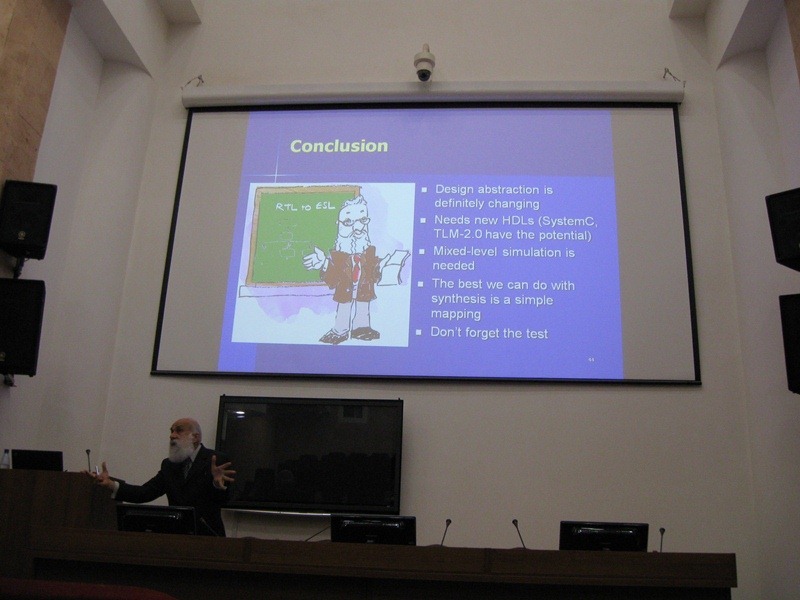
Professor Zain Navabi from Iran gave a talk on the problems of high-level design (so-called Electronic System Level Design). His slides are very substantial and easy to understand.
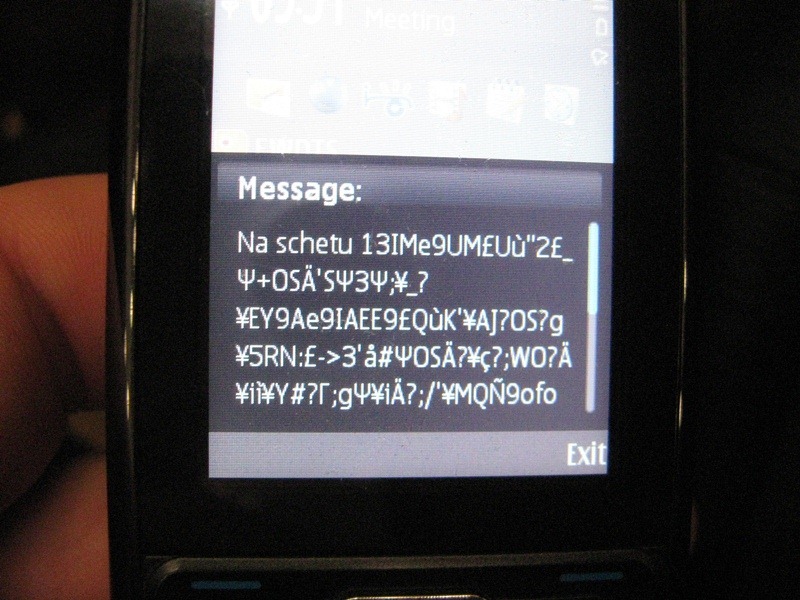
During the conference, the mobile network started acting stupid and sending strange messages.
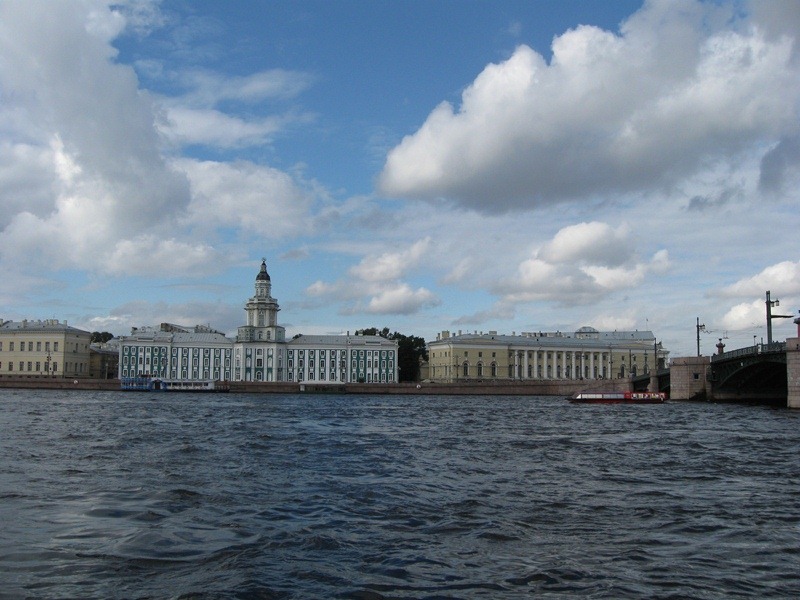
In the time free from scientific discussions, we rode along the Neva.
The famous cruiser.
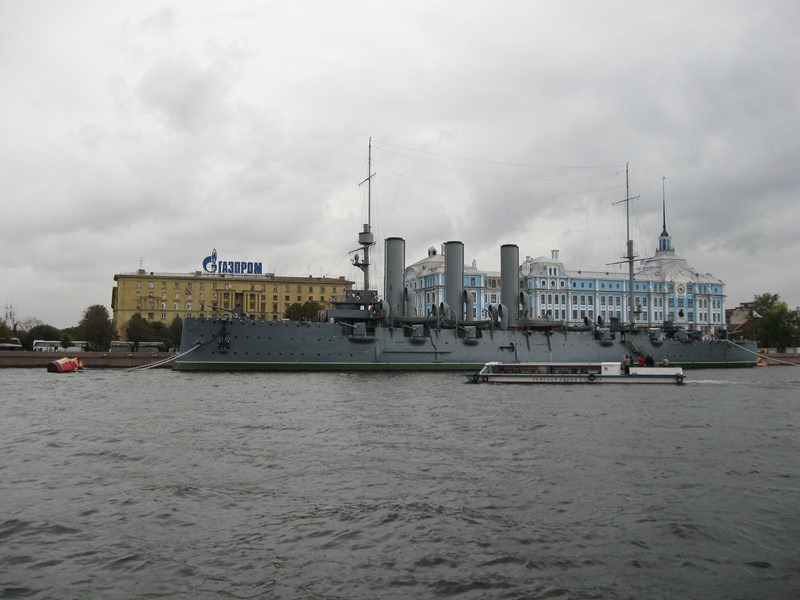
Some scary things (S-300?).
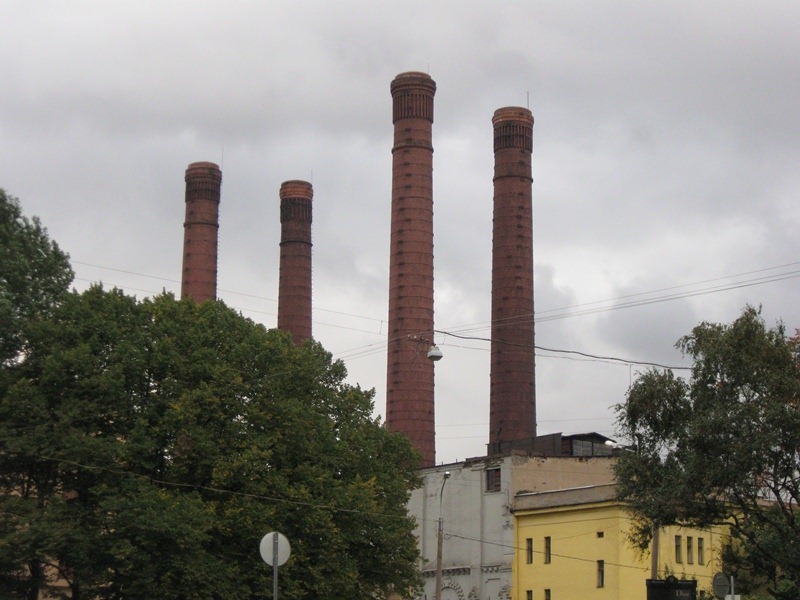
From the water, the city looks no less beautiful than from land.
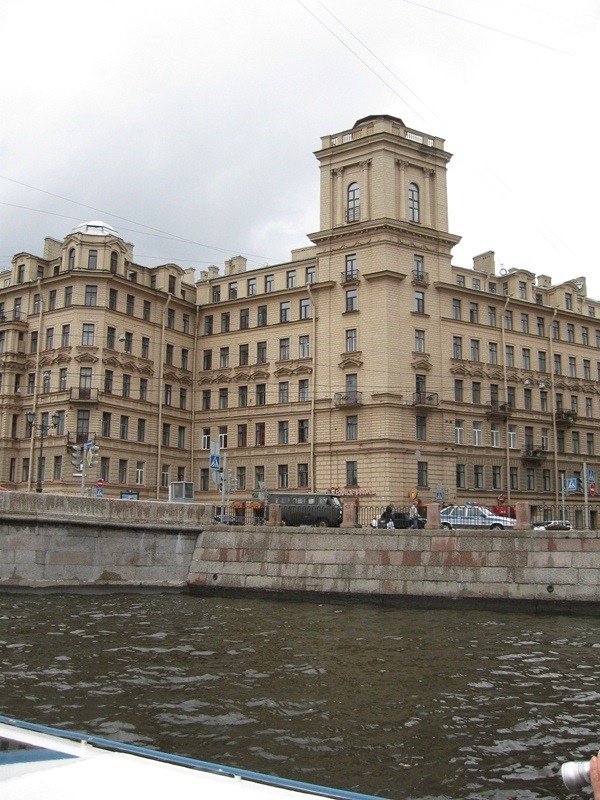
Oops... I did it again...
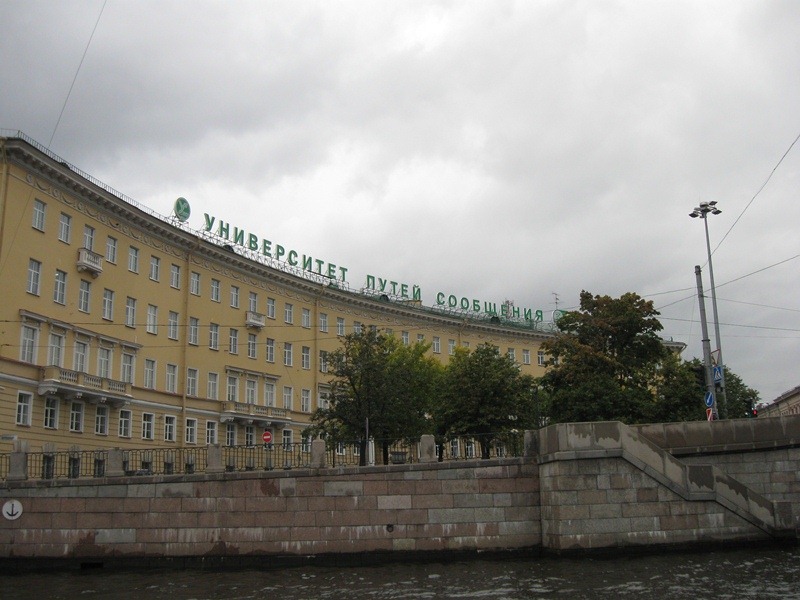
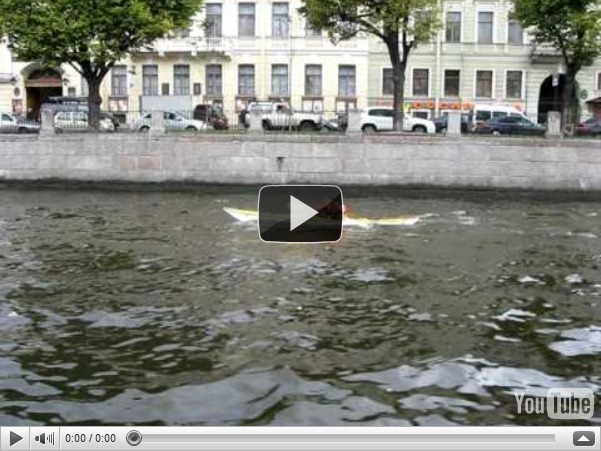
We saw all sorts of things on the canals.
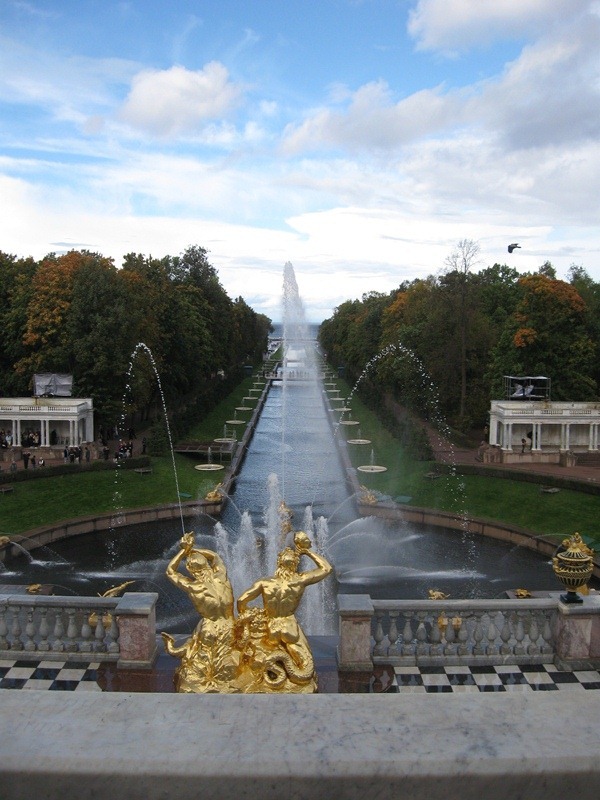
The second part of the cooltural program — a visit to Peterhof.
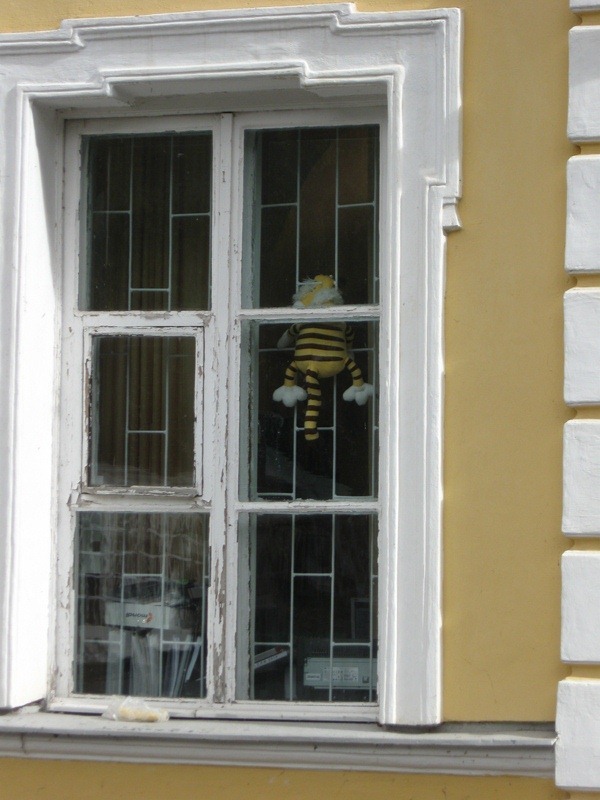
A Beeline cat got stuck in the window vent.
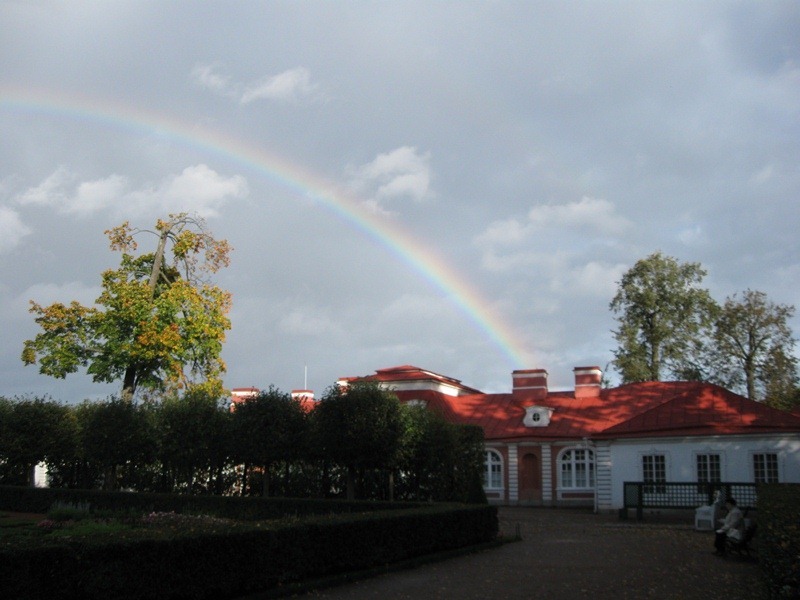
Now I know that rainbows come from chimneys.
But the most useful part of the conference starts late in the evening, when the scientific sessions and cultural programs have long since ended. Several young scientists from Ukraine, Russia, and Estonia gathered together to discuss important global scientific problems that are acute for all of humanity. We got so carried away with these discussions (they even gave me a pre-defense of my dissertation — instead of a projector I drew everything on napkins) that we didn’t even notice how quickly time flew by. It was five in the morning.
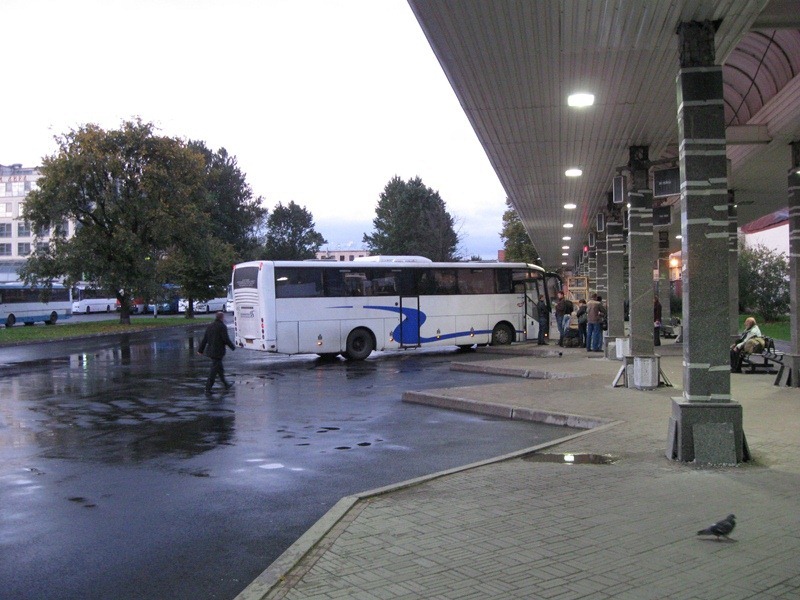
I went into the hotel, packed my things, and headed to the bus station, where at 8:10 the Saint Petersburg—Moscow bus was waiting for me. But more about that next time.