In the Soviet Union, ice cream cost 7 kopecks, a bus ride cost 5 kopecks, and a box of matches cost 1 kopeck. Small change made sense.
I remember in the ’90s, when coupons were still the national currency (coupon is short for “Kuchma stubbornly keeps deceiving the people.” Don’t know who Kuchma is? Finish your homework and I’ll tell you.), kiosks had coupons with denominations up to 100 coupons stuck to their display windows, crossed out with an X. That meant those bills were not accepted.
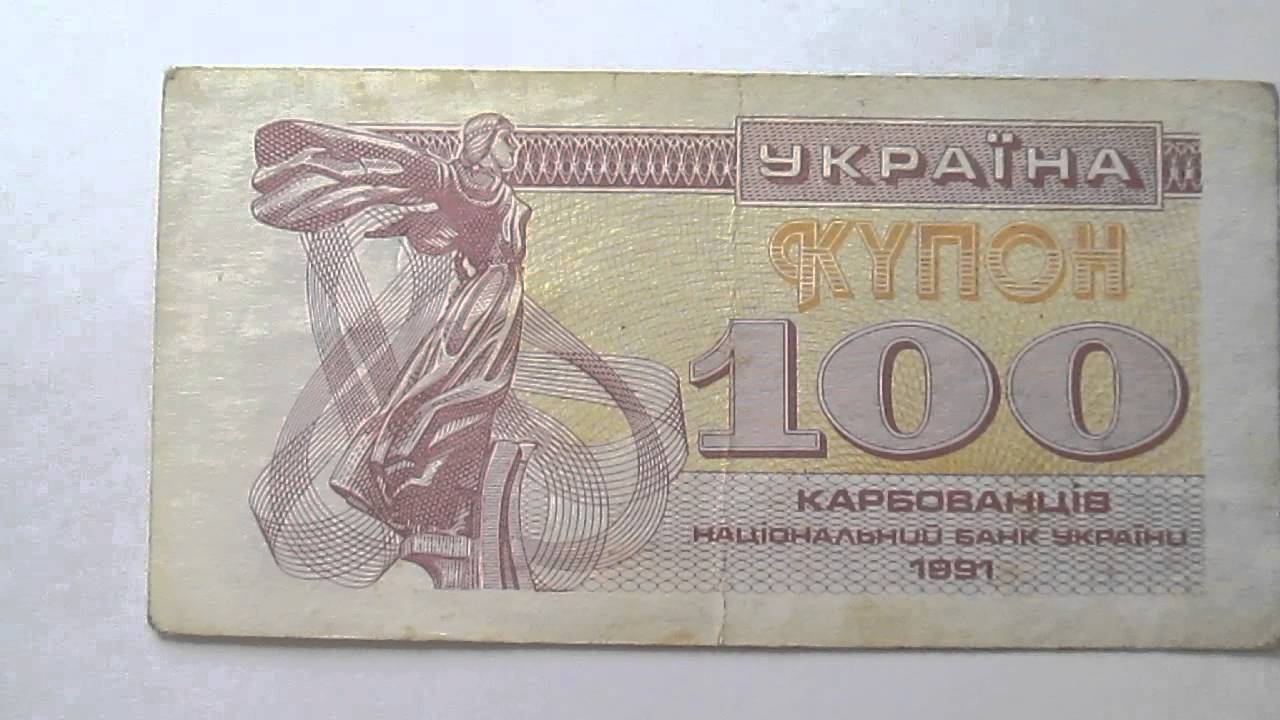
Over the last 15 years, the hryvnia has depreciated 15-fold. Roughly speaking, everything has become 15 times more expensive. Even if in 2000 you could buy something for a few kopecks, now it has become 15 times more expensive. Add inflation on top of that.
I recently saw a sign hanging at the checkout in one supermarket: “Coins in denominations of 1, 2, and 5 kopecks are not accepted.” I was slightly taken aback, sank into memories of the nineties, and didn’t think to take a photo. The very next day the sign was gone. A supermarket has no right to refuse money that is officially in circulation in our country.
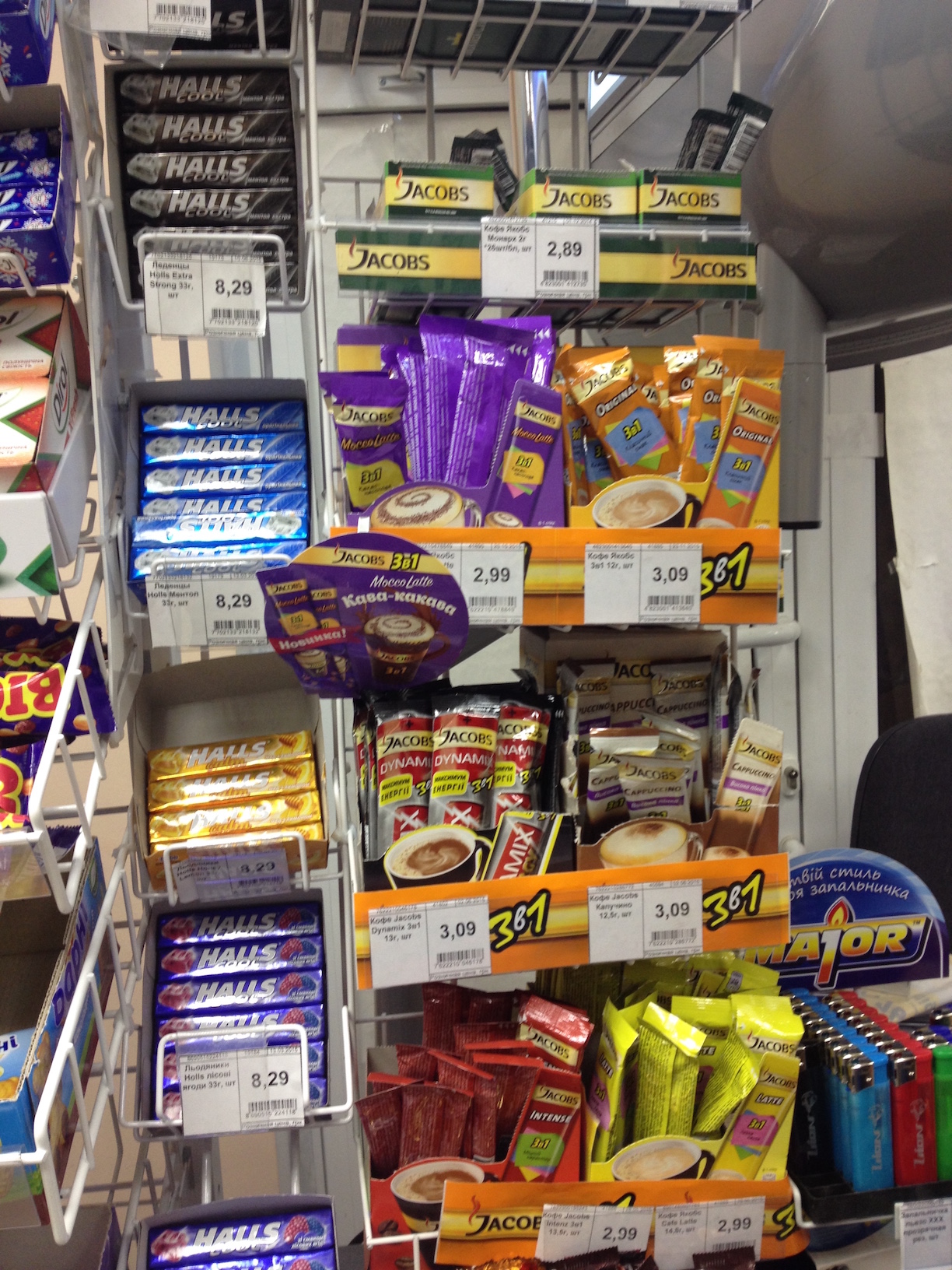
But I started thinking about something else: what is the cheapest item now? Can you buy anything for 1 kopeck? For 10 kop.? For 50? In the photo below, the cheapest item costs 2 UAH 89 kop. — one stick of the most puke-inducing “Jacobs” coffee. I couldn’t find anything cheaper than that in the supermarket.
I haven’t carried change for many years now. I specifically buy wallets that don’t have a coin compartment. It isn’t much use, and it takes up an unjustifiably large amount of space.
What’s the cheapest item you’ve seen? Do you carry change with you?